1. Religious Culture
Jerusalem is a religious city at its core, where three major religions – Judaism, Christianity, and Islam – live side by side in peace and harmony. Each of the religions brings with it a rich and traditional culture that influences the daily lives of the city’s residents.
The religious culture in Jerusalem is reflected in the diverse religious population, the magnificent synagogues, churches, and mosques that stretch across the city. Each religion observes its religious rituals consistently, providing Jerusalem with a unique and special spiritual atmosphere.
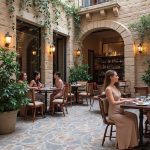
Tourists visiting Jerusalem immediately identify the city’s religious character in its narrow streets and the segments of the old city that extend along all the city’s squares. Museums, shops, and restaurants offer unique religious experiences that combine unique religious and cultural content.
Peace upon Jerusalem: There is much precious that is immeasurable
Rabbi Chaim Palagi – Art Critic
Religious culture in Jerusalem is not only religious culture, but also a culture of encounters and religious pluralism. The city’s residents live in peace and partnership, integrated in the city’s space with respect for the city’s various religions.
Influence of Religions on Daily Life
Jerusalem is the capital of Israel and one of the oldest cities in the world. With three major religions – Judaism, Christianity, and Islam – Jerusalem is a fascinating religious and cultural center. The influence of religions on daily life in the city is evident throughout the city.
Day to day in Jerusalem, one can see the influence of religions on clothing, food, and the daily routine of the city’s residents. In the streets of Jerusalem, the processes of wearing tzitzit and robes take place, and people can be seen praying in the streets and in the temples. The Jewish Sabbath is most sacred in Jerusalem, with streets turning quiet when the Sabbath begins.
On the Sabbath, restaurants and shops in Jerusalem close, and the city heals in quiet and spirituality. During religious holidays, such as Passover and Sukkot, the city is filled with an atmosphere of celebration and joy. Jerusalem’s residents mark the holidays in a special way and conduct religious and cultural activities throughout the city.
In Jerusalem, religions intertwine in the daily lives of its residents, creating strong and unique religious communities. The influence of religions on daily life in the city is an inseparable part of Jerusalem’s ancient culture and tradition, giving the city its distinctive character as a city of three religions.
3. Important Religious Sites
In Jerusalem, the city of peace and religions, a wide variety of religious sites serving as focal points for the nation of Israel can be found. The city contains holy sites for the three major religions in the city – Judaism, Christianity, and Islam. Here are some of the most important religious sites in Jerusalem:
The Western Wall: The Western Wall is one of the most important holy sites in Judaism. The Wall serves as the central prayer site for Jews from around the world.

The Church of the Holy Sepulchre: The Church of the Holy Sepulchre is one of the most important holy sites in Christianity. The church is located in the Jewish Quarter of the Old City of Jerusalem and serves as an important prayer site for Christians from around the world.
The Al-Aqsa Mosque: The Al-Aqsa Mosque is one of the most important holy sites in Islam. The mosque is located in the Muslim Quarter of the Old City of Jerusalem and serves as a place of prayer and worship for Muslims from around the world.
In Jerusalem, there are more important religious sites that reflect the unique religious richness and concentration of the city. When visiting Jerusalem, pay attention to the fascinating variety of religious sites in the city and be impressed by its unique cultural and religious influence.
In Jerusalem a Christian, a Christian city, and Christians are Christians
Rabbi David Abudraham – Cohen
4. Religious Holidays in the City
Jerusalem is a fascinating city where spectacular and fascinating religious holidays are celebrated by all its residents. In this city, Jews, Christians, and Muslims live together, each with their special holidays that characterize their culture and religion.

In Jerusalem, the Passover holiday is celebrated with fervor and joy throughout the city. Jews from around the world come to see the sights and celebrate the holiday of freedom in the holy city. Christian representatives celebrate the Passover holiday at the Church of the Holy Sepulchre, while Muslims pray at the Al-Aqsa Mosque.
Shavuot, which marks the giving of the Torah at Mount Sinai, is celebrated in Jerusalem with joy and pride. The city’s residents gather at the Western Wall and the Church of the Holy Sepulchre for the holiday celebration.
The holiday of Sukkot marks the half-holiday of the alternate period, and in Jerusalem, carnivals and parties are held throughout the city. Each of Jerusalem’s residents connects to the sukkah and observes its unique customs.
In Jerusalem, the Passover holiday is celebrated with fervor and joy throughout the city. Jews from around the world come to see the sights and celebrate the holiday of freedom in the holy city. Christian representatives celebrate the Passover holiday at the Church of the Holy Sepulchre, while Muslims pray at the Al-Aqsa Mosque.
5. Relations Between Jews, Christians, and Muslims in the City
Jerusalem is a fascinating city rich in religious culture, where Jews, Christians, and Muslims live in growth and partnership. Despite the significant differences between religions, cultures, and traditions, Jerusalem is a place of peace and respect.
In this city, there is a large number of churches, mosques, and synagogues serving the various religious communities. Each of the religions observes its religion in a sacred and close manner, influencing the daily lives of the city’s residents.
Relations between religions in Jerusalem are in tension towards good, but also in times of conflict and strife. Extreme movements hold protests and demonstrations, and there are often clashes between the different groups.
However, most residents of Jerusalem live in peace and partnership, working together for peace and partnership. They understand the importance of collaboration and recognition of partnership, and live in this framework with respect and love for others.
6. Influence of Religions on Culture and Art in Jerusalem
Jerusalem is a multi-religious city where Jews, Christians, and Muslims live and work. The various religions with their diverse culture and art contribute to a rich and unique cultural creation in the city.

In Jerusalem, a wide variety of museums, galleries, and art exhibitions reflecting the strong influence of religions on art in the city can be found. The Israel Museum in Jerusalem, for example, presents unique exhibitions that combine Jewish, Christian, and Muslim art.
Jerusalem is a city of three religions, but in one heart
Rabbi Aharon Halevi – Judge
The city’s architecture also reflects the religious influence, with observatories, churches, mosques, and synagogues scattered throughout the city. The diverse architecture contributes to Jerusalem’s unique character and reflects the cultural and religious dialogue in the city.
When it comes to the cultural mix in Jerusalem, you can see how religions influence music, literature, currencies, and tastes in the city. Jerusalem offers many culinary tours that combine flavors from all the religions residing in the city.
In conclusion, the influence of religions on culture and art in Jerusalem is evident in every corner and in every aspect of the city, and it is complex and changing according to the rich history and tradition of the place.