
1. Tips for Identifying Risks in the Streets
1.1. Get to know the environment you are in. Always be aware of the place you are in and the type of people surrounding you.
Always remember to keep in touch with someone from your family or a friend
Deborah Cohen – Women’s Safety Specialist
1.2. Always keep an eye on the traffic on the street and follow traffic laws to protect yourself from accidents.
1.3. If you are out on the streets late at night, try to avoid being alone and always try to reach public and safe places.
1.4. Do not accept offers from strangers and always maintain your identity and personal space.
1.5. If you feel in danger or suspicious about someone around you, do not hesitate to contact the police or seek help from those around you.
Self-Defense Techniques
In dangerous situations, it is important to know how to protect yourself and maintain your health. Here are some self-defense techniques:

- Awareness of surroundings – Always pay attention to your surroundings and respond to signs indicating possible risks.
- Use of voice – In urgent situations, use a loud voice to attract attention and escape from the dangerous situation.
- Use of objects as weapons – If in need of physical defense, use objects like keys or a hammer to protect yourself.
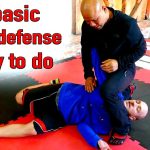
- Learn combat techniques – It is important to learn combat techniques such as striking and changing stance to protect yourself in risky situations.
- Maintain connections with people in your surroundings – Keep in touch with people around you so you have support and assistance when needed.
- Regular practice and training – Practice and have regular drills to be prepared to act in potential risky situations.
You must be vigilant and ready to act at all times and in all situations, using tools and techniques available to maintain your health and protect yourself in the best way possible.
3. How to Behave in Emergency Situations
1. Listen to your feelings and follow your inner instinct.
2. If you feel you are in danger, try to avoid the situation as much as possible and use environmental awareness.
3. If you have to deal with a challenging situation, try to stay calm and respond smartly and sensibly.
4. Do not succumb to fear or anxiety, keep a cool head and think rationally.
5. Reach out to those who can help and do not hesitate to ask for the assistance you need.
6. Maintain communication with people who know you and can offer help and support.
If you feel something is wrong, always tell someone
Rachel Goldberg – Women’s Safety Instructor

7. Remember, it is important to stay strong and not give in to challenges and emergency situations.
4. Tips to Maintain Health
1. Consider the important role of physical activity in your life. Regular physical activity can strengthen the immune system and improve your overall health.
2. Consider your nutrition. Consuming healthy and balanced food can enhance your energy levels and strengthen your body.
3. Consider your rest levels. Inadequate sleep can lead to weakness and health issues. Emphasize the importance of sufficient and quality sleep.
4. Consider your leadership skills. Knowledge and self-awareness can lead to better health decisions and self-protection against dangerous situations.

5. Planning a Security Route for Emergencies
When planning a security route for emergencies as part of your self-protection, it is important to remember that the main goal is to avoid dangerous situations and maintain your health. Here are some important tips for planning a security route:
Learn to know your surroundings and how to avoid dangerous places
Miri Sharon – Girls’ Safety Instructor
- Establish a safe and reliable route for walking on the streets and using public transportation.
- Avoid walking alone in areas that are unfamiliar or unsafe to you.
- Save local emergency numbers and those close to you in your mobile phone.
- Consider using navigation apps and security cameras when walking the streets.
- Always check your surroundings and your visibility when in a new area.
In conclusion, planning a security route is an important part of protecting yourself and your health. You must be cautious and consider these tips to avoid dangerous situations and live securely.
6. First Aid in Emergency Situations
When an emergency or unusual situation occurs, it is important to know how to act correctly to save lives. When you are in an urgent situation, you must ignore fear and act quickly and efficiently.
Here are some tips for first aid in emergency situations:
- Know how to deal with minor injuries and damages, such as cuts and scrapes. Use a first aid kit and treat the injury quickly and efficiently.
- In case of a serious injury, such as a fracture or severe injury, call emergency medical services immediately and allow them to professionally treat the injured person.
- When an incident such as an assault or suspected criminal activity occurs, call the police immediately and stay away from the event location.
- When a crisis such as an evacuation alarm or terrorist attack occurs, it is important to stay in the safest place and wait for security instructions.
- In cases of extreme heat, be cautious of overheating and drink several cups of water every hour to maintain your hydration levels.
- In case of a sudden power outage or electrical hazard, keep away from the dangerous area and call someone knowledgeable to help solve the problem.
Performing these actions could save lives in emergency situations and ensure safety and health for yourself and others. Always remember that a quick and proper response is the key to avoiding dangerous situations and maintaining your safety at all times.